The Lost Art of Writing a Thank-You Note (And Why It Still Works in 2026)
Your grandmother had a stationery drawer.
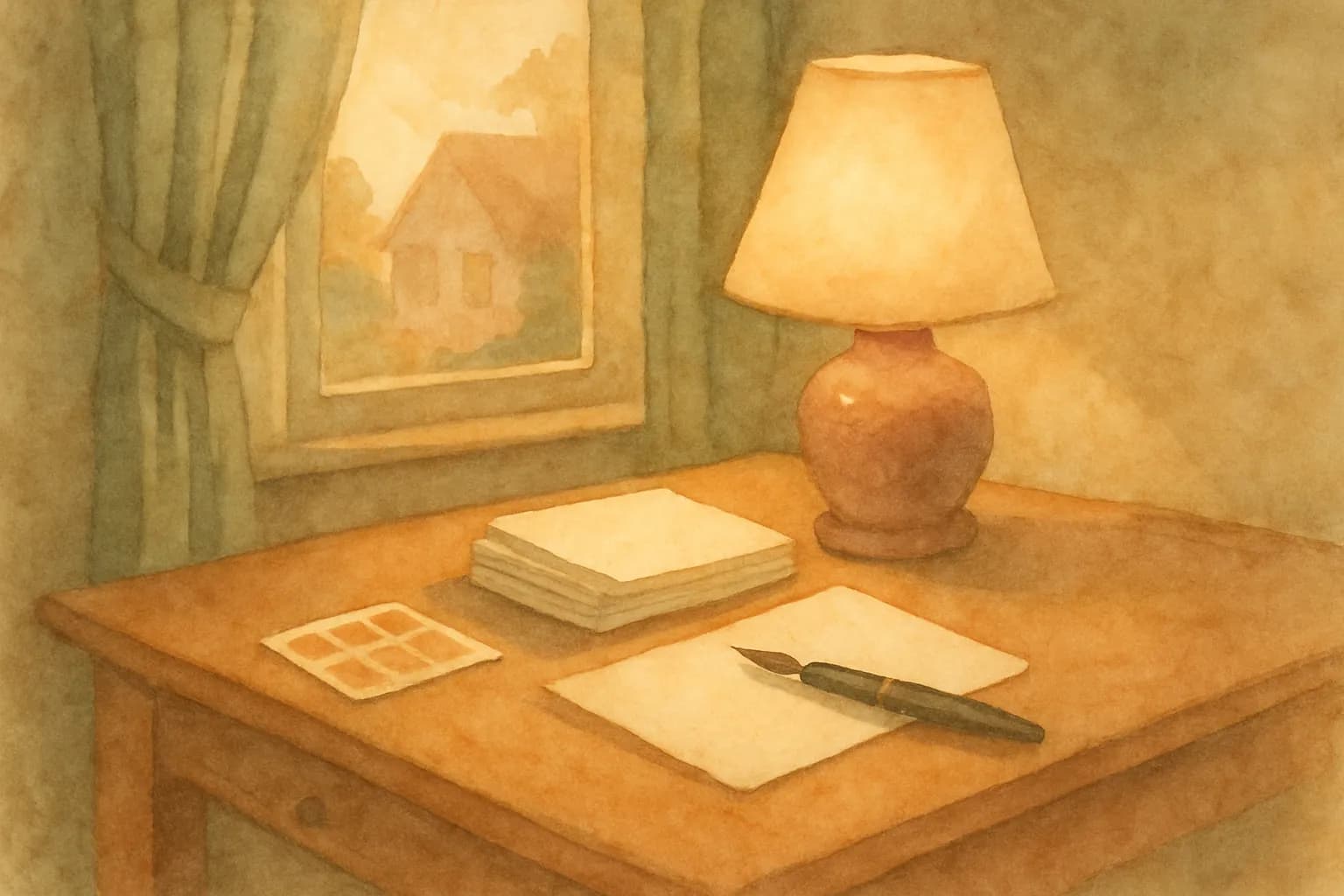
It was the second drawer down in the secretary desk, or the top drawer of the rolltop, or a wooden box on the shelf above the telephone table. Inside it were neatly stacked boxes of cards and personal notepaper, a sheet of stamps, a return-address embosser, and a pen she used for nothing else.
She wrote thank-you notes within three days of receiving anything -- a gift, a dinner, a kindness, a favor, a casserole brought over after a death. She made you write them too, sitting at the kitchen table after your birthday, working slowly through the stack of presents while she dictated and corrected your spelling.
We hated it. We were also, though we didn't know it yet, being handed one of the most powerful small skills in adult life.
What the thank-you note actually does
A handwritten thank-you note does three things at once that almost nothing else in modern communication can do.
The first is signal effort. In a world where everything is fast and free -- texts, emails, the little thumbs-up emoji -- a piece of paper that someone bought, sat down with, hand-wrote, addressed, stamped, and walked to a mailbox is a costly signal. It cost the writer five minutes and forty cents. That cost is the message. I thought enough of you to spend this on you. Nothing digital comes close.
The second is to slow down the moment. A text "thanks!" lasts about two seconds in the recipient's life. A handwritten card sits on the kitchen counter for a week, gets read three or four times, and then often goes in a drawer somewhere. It works on the recipient slowly, the way good cooking does.
The third is to leave evidence. A digital thank-you disappears into a feed. A handwritten one sits in a desk drawer for ten years, and is occasionally found again on a hard day, and reminds the person who received it that they once did something kind enough to be thanked for.
That's a lot of work for a piece of card stock. It's also, increasingly, an unfair advantage.
Why it works better now than it did then
When everyone wrote thank-you notes, the thank-you note was a basic requirement. You sent one because you'd be considered rude if you didn't. The bar was high and the reward was nothing.
In 2026, the bar is on the floor. Almost nobody writes them. Which means the few people who do are visibly, immediately, memorably distinct.
The brides who send handwritten thank-yous to their wedding guests are remembered. The brides who send a group text are not. The job applicant who mails a handwritten note to the hiring manager the day after the interview is the one who gets remembered when the decision is made. The dinner guest who sends a card to the host gets invited back. The neighbor who writes a real thank-you after you watched their cat for a week becomes the kind of neighbor everyone wants to live next to.
This isn't sentimental. It's strategic. The thank-you note used to be the price of admission. Now it's a competitive edge that costs forty cents.
When to send one
There is no situation where a handwritten thank-you note is the wrong call. But the ones with the highest return on investment are clear:
-
After a job interview. Within 24 hours, mailed the same day. Reference one specific thing from the conversation so the recipient knows it's real. Hiring managers remember.
-
After a wedding gift. Within three months, no exceptions. The bride who waits a year and sends a printed card with a photo on it has missed the entire point.
-
After a dinner at someone's home. Within a week. The host worked for days on something that lasted three hours. A note honors the effort.
-
After a favor. Watching the kids, picking up the mail, lending the truck, helping you move. The text you sent the day of was nice. The note that arrives a week later is what they'll remember.
-
After a condolence. Anyone who came to the funeral, brought food, sent flowers, or called during the hard weeks. This is the most important category of thank-you note, and the one most people get wrong. A printed card with a signature isn't enough. A handwritten line -- your casserole fed us for three days, and your call on Tuesday was the kindest thing anyone did -- matters.
-
After staying as a guest. A weekend at someone's house deserves a written thank-you the moment you get home. The good guests are remembered. The good guests are invited back.
How to write one
A thank-you note is not a literary form. It needs four things and nothing else.
-
The thanks itself, specifically. Not "thanks for everything" -- that reads as a form letter. "Thank you for the cast-iron Dutch oven. It's already become the most-used pot in my kitchen."
-
Why it mattered. A line about the specific impact. "I made beef stew in it Sunday and my husband said it was the best he'd ever had."
-
A forward look. Something connecting you and the recipient going forward. "We can't wait to have you over for dinner once we're settled in."
-
A warm sign-off. Not "sincerely." Try "with gratitude," "with love," "thinking of you," "warmly." Pick one that fits your relationship and use it like you mean it.
Four to six sentences, total. No more. The note should be shorter than the gift was useful.
A small revival worth joining
There is a quiet trend, mostly among people in their thirties and forties, of bringing thank-you notes back. Stationery sales are up. Wedding planners are reminding brides to do it the old way. Career coaches are telling new graduates that the handwritten note after an interview is one of the highest-leverage things they can do.
This isn't accidental. The people doing well right now are noticing what works, and a lot of what works is what used to be normal -- what was normal, in fact, in our grandmothers' time.
Set up a stationery drawer. Buy a box of plain cards and a sheet of stamps. Put them somewhere you'll see them. Then the next time anyone does anything thoughtful for you, sit down for five minutes and write back.
It is one of the easiest, cheapest, and most powerful habits in adult life. Your grandmother knew it. We forgot it. We can pick it back up tonight.
A box of cards, a sheet of stamps, and five minutes. Your grandmother had it right all along.
Get a new story every Sunday morning.
One email a week. No spam. Unsubscribe anytime.